
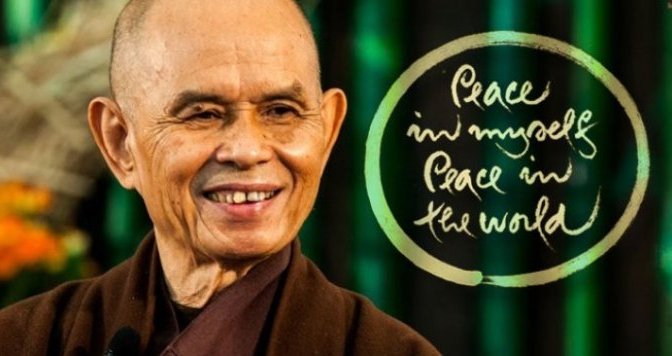
Thich Nhat Hanh has published nearly 100 books and is one of the best-known teachers of Zen Buddhism in the world today.
In the early 1960s, his practice of what he termed ‘engaged Buddhism’ led him to create the School for Youth and Social Services to provide education, housing, and medical care for victims of war in his native home, Vietnam. In 1966, Nhat Hanh visited the United States and Europe on a peace mission and was forbidden to return home. A year later Martin Luther King Jr. nominated him for the Nobel Peace Prize.
For 34 years, his home in exile has been the monastery of Plum Village in southern France, where he continues to live with his community of Buddhist monks and nuns. In October 2016, Thåy — ‘teacher’, as he is affectionately known — turned 90 years old.
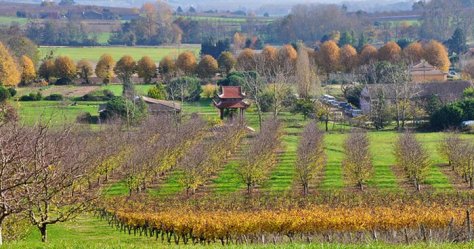 Plum Village, in the south of France, where Thich Nhat Hanh lives in exile.
Nhat Hanh was interviewed in Plum Village by filmmaker, Martin Doblmeier, of Journey Films, for a documentary on forgiveness.
Martin Doblmeier: During the Vietnam War, your own people found themselves deeply divided. Talk about the lessons learned from the peace movement then.
Thich Nhat Hanh: There was a lot of suffering and people found themselves in a situation where they had become enemies of each other. So in such a situation, you have to find a way to survive and to help others survive. We had to show people the way to act properly because if you don’t have peace within yourself, it is very difficult to work for peace. Our thinking was, the other person is not our enemy. Our enemies are misunderstanding, discrimination, violence, hatred, and anger. With that kind of insight, we conducted the peace movement.


 Conspiracy Daily Update